
The Dark Forest
A manual for modern day living
Why did I call my newsletter The Dark Forest?
And what are the subjects you can expect here? Let me explain.
I remember how I first was introduced to the Dark Forest Theory. I came across an article from Yancey Strickler: The dark forest theory of the internet1.
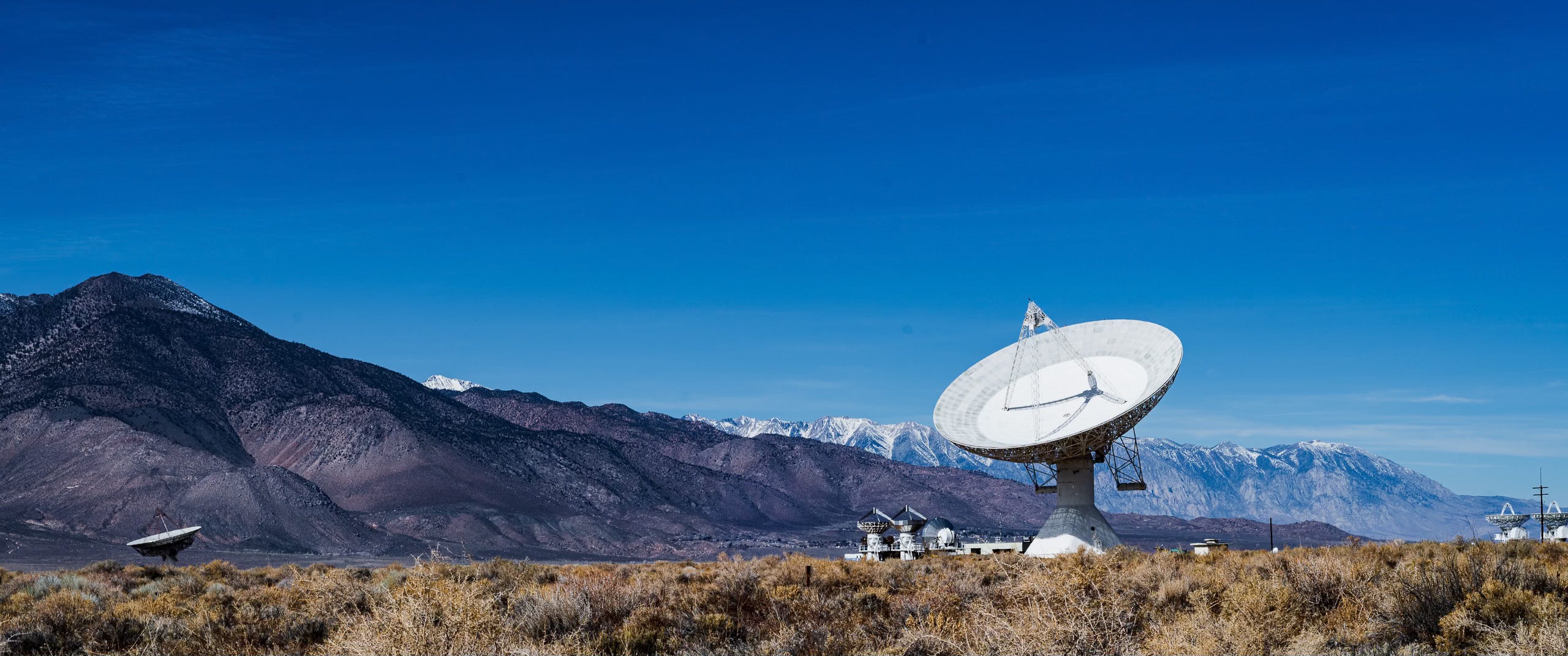
And I was fascinated by the concept of the Dark Forest Theory. Especially its original meaning from Liu Cixin’s 2008 novel The Dark Forest2. The hypothesis is that the forest is dark, but full of animals that are silent. Because if they make a noise it will give away their presence to the hunters that are also roaming the forest.
The analogy being: the universe is silent because advanced civilisations hide like armed hunters in a dark forest, fearing that any noise reveals their location to rivals. Because resources are finite and intent is unknowable, survival dictates that civilisations preemptively destroy any other life found, making silence the only safe option.
I haven’t read the book yet. But it led me to the Fermi Paradox. Named after physicist Enrico Fermi, it highlights the contradiction: if advanced civilisations exist, they should have spread across the galaxy by now through space travel or signals, yet we see zero evidence. Possible explanations include life being extremely rare, civilisations self-destructing via wars or disasters, or aliens deliberately hiding from us. Ultimately, it challenges our assumptions about life’s prevalence and survival.
If survival is the primary need of civilisation. Is being quiet a survival mechanism?
Because resources are finite. And we are all fighting for them in order to survive.
Two possibilities exist: either we are alone in the Universe or we are not.
Both are equally terrifying.
Arthur C Clarke
Being quiet as a survival mechanism tickled my brain.
I started to dive deeper when the Netflix series The Three Body Problem was released. I watched it of course.
And all this got me thinking.
The Dark Forest Theory can be applied to many things in life.
In business, geo politics, but also in our personal lives.
That’s where things got really interesting for me. And I started exploring all the places where you could apply the Dark Forest theory.
We hide ourselves for many reasons. I want to know why. And how!
People hide behind masks, behaviour, a different identity, a social status and sometimes hide their gender or sexual preference. A controversial topic depending where you are.
We hide in procrastination, because the challenges that lie before us are too daunting sometimes.
Is it fear? Shame? Our upbringing? Or are there social factors that contribute?
And what would happen if we make ourselves known. Would we be destroyed by our perceived opponents?
Or is it only in our minds?
At some point in our lives each one of us has been in a dark forest.
One of my favourite artists is Tracey Emin.
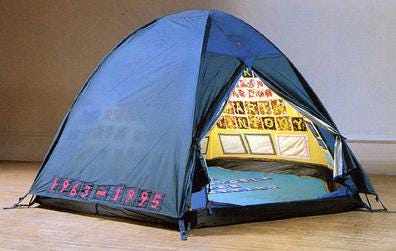
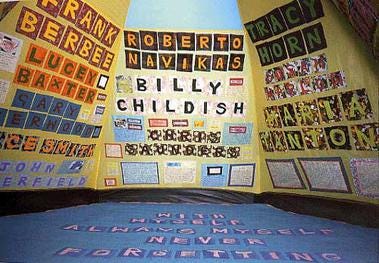
Her work is confessional. An honesty, sometimes so uncomfortable for the beholder, but for me it was the biggest eye opener. It influenced my artistic vision tremendously. Her 1995 work ‘Everyone I Have Ever Slept With 1963–1995 ‘ was a tent with the appliquéd names of, literally, everyone she had ever slept with. I felt, in a way, she was hiding behind her honesty.
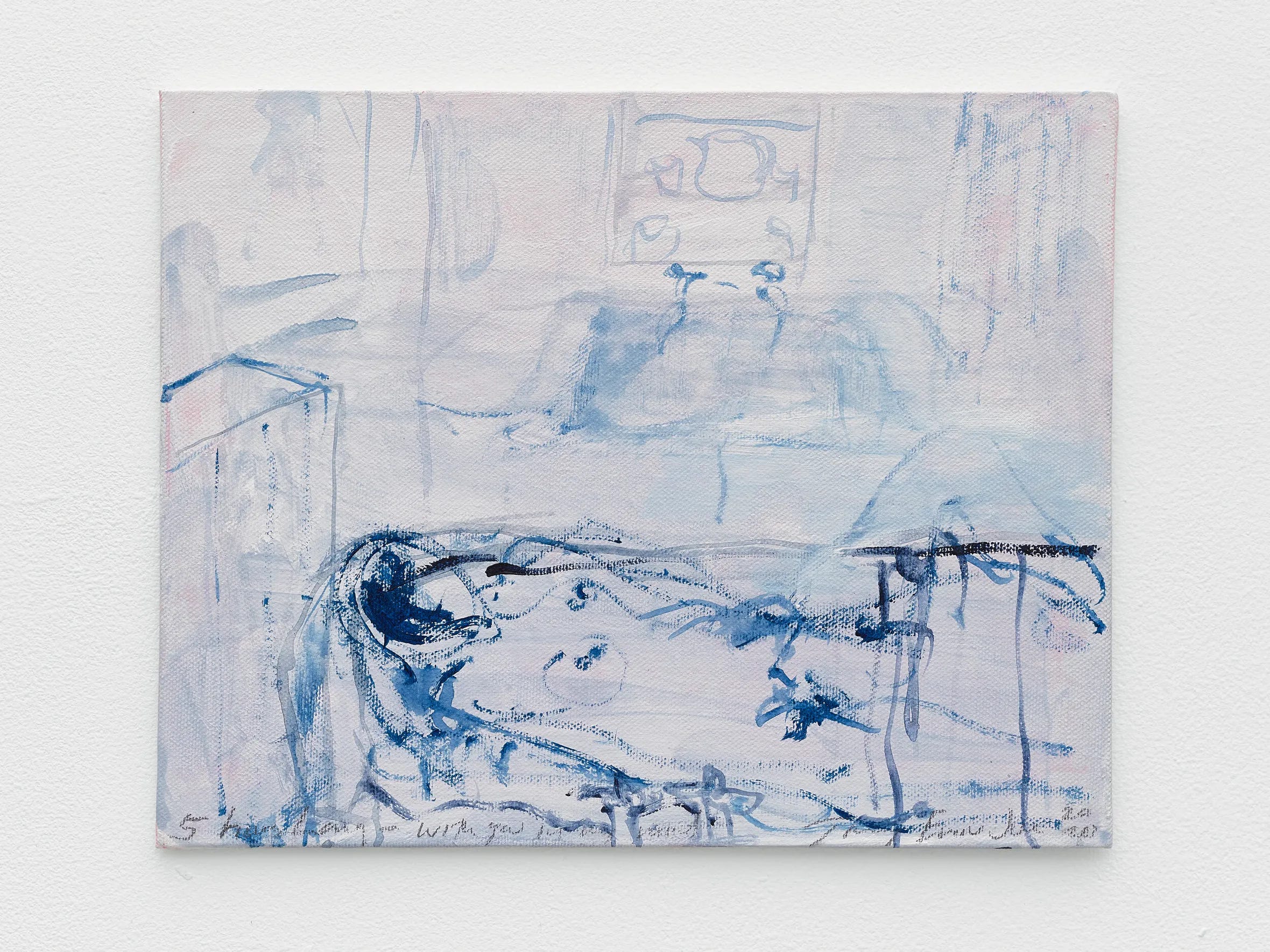
She created intimate paintings during 2020 lockdown isolation in her London home, titled under the exhibition I Thrive on Solitude. These works portray domestic spaces as emotional sanctuaries, embracing seclusion as a space for reflection away from external scrutiny. They reflect a psychological shift toward peace in aloneness, rejecting solitude’s stigma.
I’ve been seeing that shift happening in modern culture as well. People shying away from external scrutiny.
And that brings me back to the article that brought the Dark Forest Theory to my attention. It applies the rationale to what the modern internet is becoming. With all the ads, hype, trolling, bullying and predatory behaviour, groups of people are moving to their own dark forests.
Self created niches on Discord, closed off WhatsApp groups. Away from the mainstream. The need to broadcast to as many people as possible is not the number one goal anymore.
It creates a safe zone with people you know are there, because they share a common interest. The same impulse as Emin’s emotional sanctuaries, but not in solitude anymore. They don’t want to be alone in the forest, but are looking for specific interests that they can share with likeminded people. Same could be said for a platform like Substack.
This is my Dark Forest.
And of course, all this fits perfectly in my fascination for people who are at the edge of their sanity. Or the fascination I have for culture for that matter.
The Dark Forest is my way of exploring all these fascinations I have.
If you would like to know if I find my way out of the wild, wild woods… follow along.